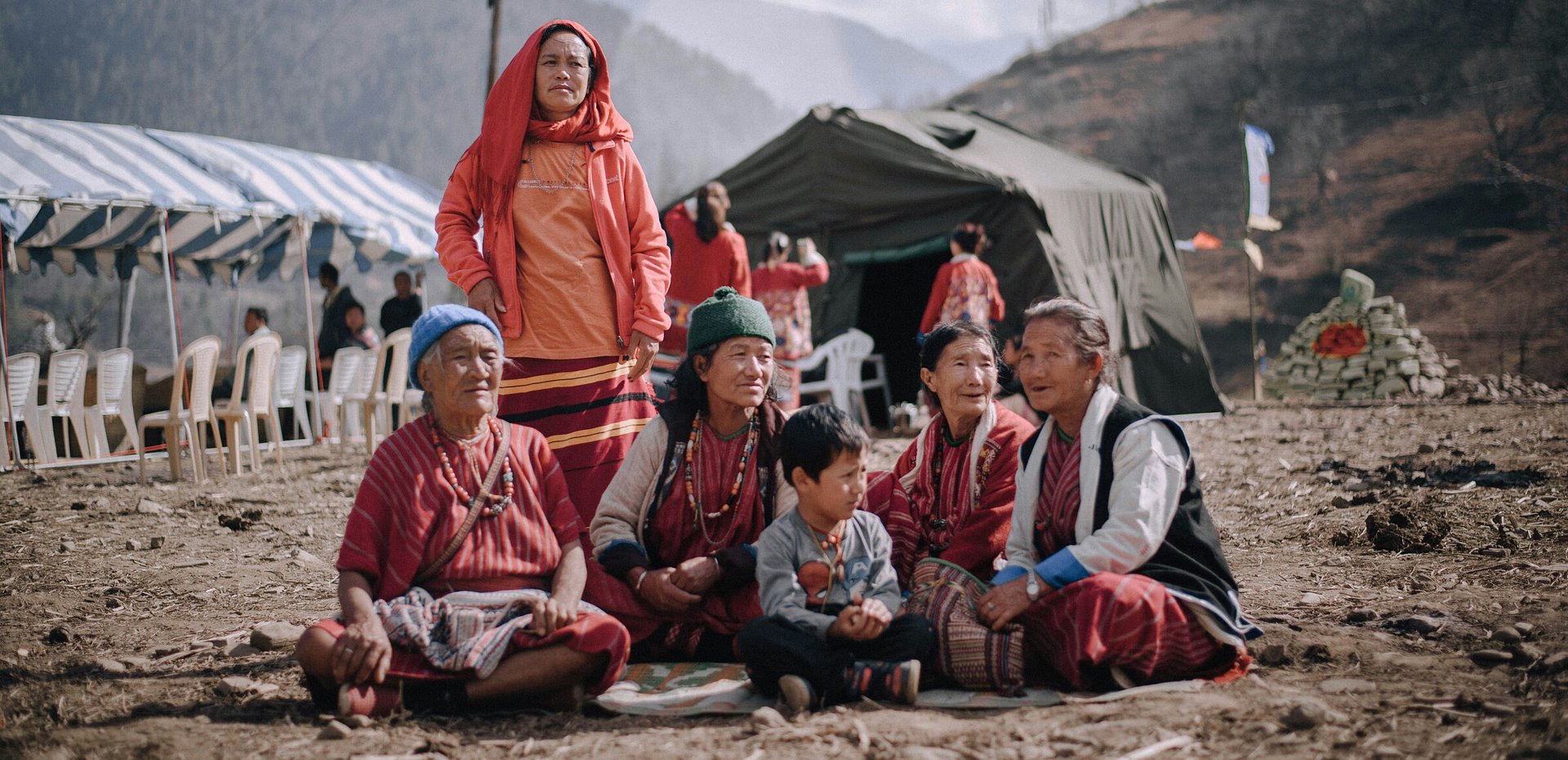
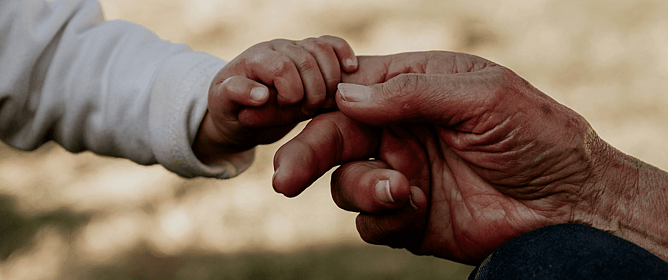
“When medical resources are limited in a refugee camp, a nurse's toolkit requires something much deeper than prescriptions.”
Without really planning it, my doctor teammate and I have become our neighborhood medical crew.
It starts with small, everyday moments. The neighbor who does our washing drops by, complaining of a splitting headache or worried about her child's sudden bout of diarrhea. We raid our personal stash of supplies or write down the exact treatment they need to grab from the local pharmacy.
Then there are the bigger, fragile moments. Another neighbor gave birth to a tiny baby who was struggling to feed. For a few days, my routine shifted to regular check-ins—just being there to offer a bit of clinical guidance and a lot of emotional support. Another day one of our Bible study youth come to us with a prescription, and we spend time explaining what it means and helping them get the most appropriate medication.
The Boundary Dilemma
Living and working here brings a heavy, constant tension. It’s a delicate balancing act. On one hand, our goal is always to support and refer people to the existing health services and systems. We know our limits: we cannot single-handedly provide care for our entire neighborhood, let alone the vast population of the refugee camp. Yet we do what we can.
Moving Beyond Medicine
This gap between what is needed and what we can actually give has pushed me to a humbling realization. Because there are fewer tangible things I can do, I find myself praying much more with and for my patients.
It’s easy to feel like prayer is what we resort to when medicine runs out. But recently, that same neighbor credited my prayers—not just the supplies—as the reason for her healing.
It was a beautiful, gentle reality check. As a nurse, I can offer treatments, but I am not the ultimate healer. It is Jesus who does the restoring, and looking to Him is never a default plan—it is the most vital, practical, and powerful care we can ever provide.